
Play Club Soccer Logo

Managing Game-Day Anxiety and Pre-Match Jitters in Youth Soccer

September 5, 2026
Play Club Soccer Staff
Mental Game
Youth Soccer
Sports Psychology
Player Development
Game Day

Managing Game-Day Anxiety and Pre-Match Jitters in Youth Soccer

Deconstructing nervous stomachs, performance pressure, and practical routines that build calm on matchday

Key Takeaways

  • Arousal vs. Anxiety: Butterflies, cold hands, and an elevated pulse signal the body preparing for physical exertion. Young athletes falter when they mistake these normal physiological responses for evidence of impending failure.
  • Process Over Outcome: Fixating on final scores, playing time, or sideline spectators floods the nervous system with panic. Anchoring a player to two specific, controllable actions during pre-game warm-ups restores focus.
  • The Morning Commute: Adult tension during the drive to the field often bleeds into the back seat. Keeping pre-match car rides neutral and allowing athletes to set their own conversational pace protects mental energy before kickoff.

The Physiology of Matchday Nerves: Normal Arousal vs. Destructive Anxiety

On Saturday mornings across youth soccer complexes, players show up to the fields displaying the physical toll of matchday nerves. Some complain of sudden stomach cramps, others struggle to keep breakfast down, and a few withdraw into stony silence. Parents frequently worry that their child lacks mental toughness, while coaches assume the player lacks focus. These physical reactions stem directly from the sympathetic nervous system kicking into gear.

When a match approaches, the brain's amygdala signals the adrenal glands to release adrenaline and cortisol into the bloodstream. Blood vessels constrict in the digestive tract and redirect oxygen-rich blood toward large muscle groups in the legs and core. Heart rate climbs, respiration quickens, and pupils dilate. This biological surge prepares the body to sprint, jump, and react under physical duress. The sensation commonly called butterflies in the stomach is simply blood leaving the gut to support skeletal muscles.

Trouble begins when a young athlete misinterprets functional physiological arousal as psychological panic. In sports psychology, this boundary separates somatic arousal from cognitive anxiety. Somatic arousal is physical readiness. Cognitive anxiety is the internal narrative of worry. When an eleven-year-old feels their heart beating fast in the parking lot, they often conclude that fear will ruin their performance. That internal panic tightens shoulders, shortens breath, and restricts peripheral vision. During the game, this physical tightness leads to choking, a state where automatic, well-drilled motor habits get sabotaged by conscious over-thinking.

Pre-Match Routines: Anchoring Attention to Controllables

Telling an athlete to just relax rarely works. That command is impossible to execute when adrenaline is surging, and it often leaves a nervous child feeling misunderstood. Instead, players need concrete physical and cognitive routines that anchor attention to actions within their immediate control.

Uncertainty feeds anxiety. When warm-ups are erratic, travel is rushed, or tactical expectations are vague, a player's mind fills the vacuum with worst-case scenarios. Establishing a predictable pre-game timeline gives athletes a sense of stability. This routine starts at home with equipment preparation the night before, continues through set breakfast timing, and extends to the team's warm-up sequence. Familiar physical patterns signal safety to the nervous system.

Within that routine, coaches and parents must help athletes replace outcome goals with process goals. Outcome goals involve variables outside a player's direct control, like scoring a goal, winning the game, getting scouted, or earning extra playing time. Fixating on outcomes triggers anxiety because the athlete cannot guarantee the result. Process goals, by contrast, center entirely on individual execution. A defender might commit to two simple objectives: checking over their shoulder before receiving a pass, and stepping forward on the front foot during 50-50 balls. When an athlete evaluates their performance through discrete, executable tasks, their focus shifts away from fear of failure.

Breathing mechanics offer another immediate physical reset. When jitters trigger shallow chest breathing, carbon dioxide levels drop and heighten physical sensations of panic. Teaching young players diaphragmatic breathing helps down-regulate the nervous system within minutes. An effective protocol is the 4-6 breath: inhale through the nose for four seconds, expanding the belly, and exhale through the mouth for six seconds. The prolonged exhalation stimulates the vagus nerve, slowing heart rate and softening muscle tension without blunting physical alertness.

The Adult Factor: Sideline Pressure and the Commute

Young athletes rarely develop acute performance anxiety in isolation. The emotional climate established by parents and coaches directly shapes how children experience competition. Well-meaning parents often increase pre-match jitters during the morning drive to the complex.

Car rides filled with unsolicited tactical lectures, warnings about opposing players, or reminders about team standings place heavy cognitive burdens on young shoulders. By the time the player steps out of the car, their mental bandwidth is depleted. Parents can support their children by treating the car ride as neutral ground. Ask the athlete what kind of environment they want: some prefer silence, others want upbeat music, and some want to talk about school or friends rather than soccer.

Coaches hold similar influence during the pre-match team meeting. Speeches centered on the must-win nature of a tournament game or the consequences of losing cause adrenaline levels to spike into panic territory. Effective coaches maintain an even, composed demeanor. They articulate clear tactical roles, emphasize work rate, and explicitly remind players that mistakes are an accepted part of playing fast.

The dreaded post-game car ride also casts a long shadow backward onto the pre-game state. If a child knows that every misplaced pass or missed tackle will be picked apart on the drive home, every kickoff carries the weight of a looming interrogation. When parents consistently replace tactical critiques with unconditional support, such as simply saying they loved watching the child compete, they remove the fear of conditional approval. Free from the fear of disappointing their family, players can take necessary tactical risks on the pitch.

Conclusion

Pre-match jitters are a permanent fixture of competitive athletics. Seasoned professional players feel their stomachs churn before stepping onto the pitch under stadium lights. The goal in youth soccer centers on teaching young athletes how to direct nervous energy into productive competition rather than attempting to eliminate it entirely.

By helping young players recognize physical symptoms as standard athletic preparation, establishing grounded pre-match habits, and stripping away adult performance pressure, families and coaches create an environment where children thrive. Soccer should challenge a child's skill, creativity, and teamwork within a safe psychological environment. When players learn that nervous energy is simply their body preparing to run hard and compete, jitters transform from an obstacle into fuel for the opening whistle.


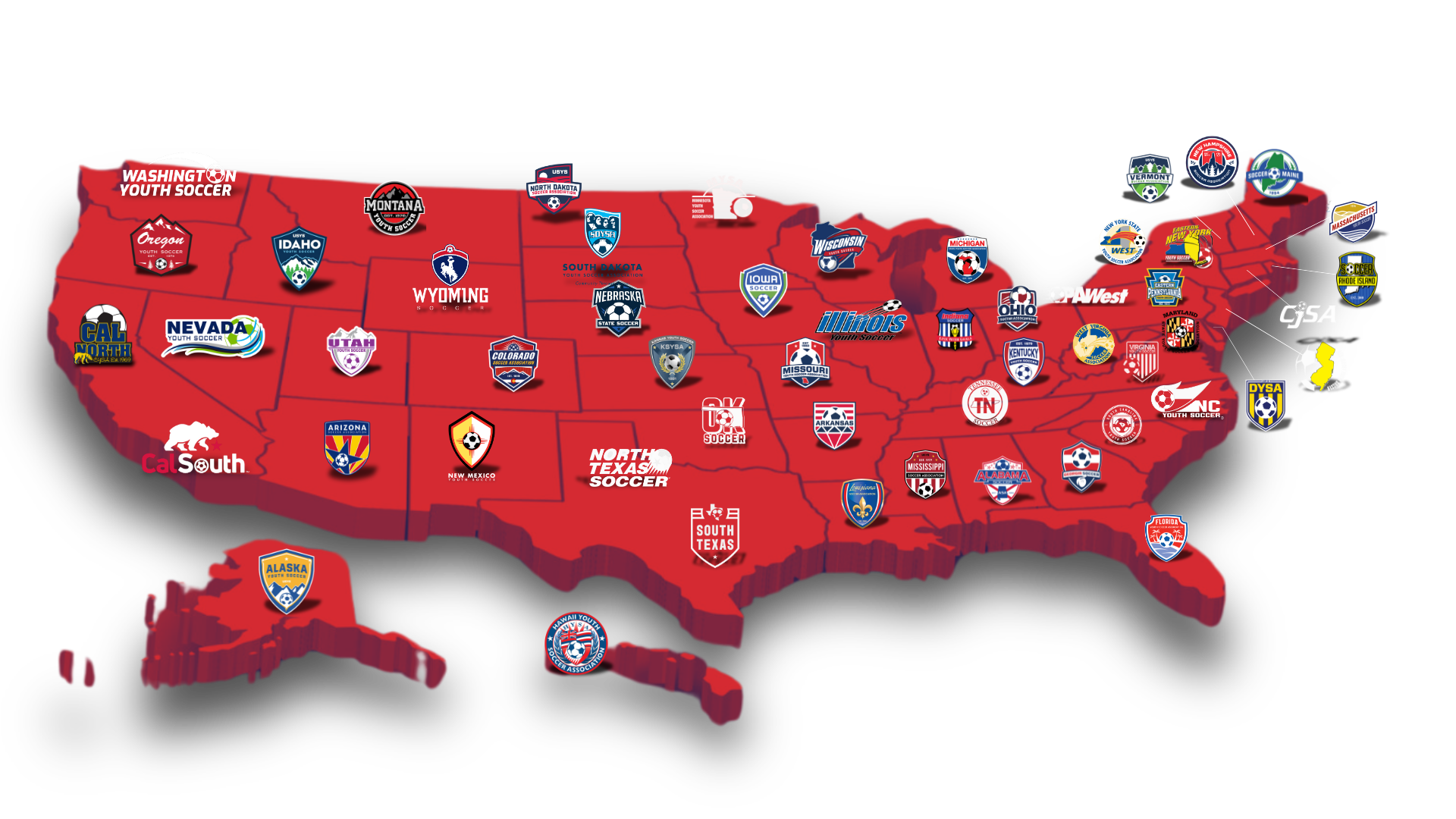
Browse Soccer Clubs by League

Latest Youth Soccer News and Articles

On Saturday mornings across youth soccer complexes, players show up to the fields displaying the physical toll of matchday nerves. Some complain of sudden stomach cramps, others struggle to keep break
For decades, coaching manuals treated goalkeepers as isolated shot-stoppers. Their job began when an opponent took a shot and ended when they booted the ball past the halfway line. That model relied o
Before U.S. Soccer introduced the Player Development Initiatives (PDIs) in 2015, youth soccer across the United States operated without consistent national field or roster standards. Eight-year-olds r

Frequently Asked Questions

What is Club Soccer?

Club Soccer, also commonly known as travel soccer, represents a higher level of competitive youth soccer compared to recreational leagues. In the club system, players typically attend tryouts to be selected for a team within a privately-owned soccer club. These clubs are focused on long-term player development and compete against other clubs in various leagues and tournaments. The environment is more structured, with professionally licensed coaches, more frequent practices, and a greater time and financial commitment. The goal is to develop players' technical skills, tactical understanding, and overall passion for the game at a more intensive level.

If you're interested in exploring this path for your child, a great first step is to see what options are available in your area. You can start by looking at our directory of youth soccer clubs. For a deeper dive into what this journey entails, check out our article on Understanding Youth Soccer Player Development.

What is the difference between travel, club, and rec soccer?

Club Soccer and Travel Soccer are generally synonymous terms for competitive soccer programs. They are a significant step up from recreational soccer in terms of commitment, competition, and cost.

Here’s a breakdown of the key differences:

  • Competition Level: Club/Travel soccer is highly competitive, with teams formed through tryouts. Recreational (Rec) soccer is open to everyone regardless of skill level, focusing on fun and participation.
  • Coaching: Club teams are typically coached by licensed, professional coaches who are paid for their services. Rec teams are often coached by parent volunteers.
  • Commitment: Club players commit to a full soccer year (fall and spring seasons) and are expected to attend multiple practices per week (often 2-3 sessions of 90-120 minutes) and games on weekends. Rec soccer usually involves a shorter season, with maybe one practice and one game per week.
  • Travel: As the name implies, travel/club soccer involves traveling to play games against teams from other towns, cities, or even states, especially for tournaments and showcase events. Rec soccer games are almost always local.
  • Cost: The financial commitment for club soccer is significantly higher, covering professional coaching, league fees, tournament entries, and uniforms. You can learn more in our detailed guide on the Cost of Youth Soccer.
  • Player Development: The primary focus of club soccer is on developing individual skills and tactical knowledge to prepare players for higher levels of competition. Rec soccer focuses more on learning the basic rules, sportsmanship, and having fun.

For families looking for a fun, introductory experience, a recreational program like MLS Go can be a perfect start.

What are the different youth soccer leagues in the US?

The U.S. youth soccer landscape is comprised of numerous leagues, each offering different levels of competition, exposure to college scouts, and geographical reach. Understanding this structure can be complex, but it can generally be viewed as a pyramid.

Here are some of the most prominent national and regional leagues:

  • MLS NEXT: Considered the highest level of boys' youth soccer in North America, it's run by Major League Soccer and focuses on developing players for professional and national teams. Learn more about the new two-tiered system in our Guide to the New MLS Next Divisions.
  • ECNL (Elite Clubs National League): The ECNL is a premier national league for both boys and girls, known for its high level of competition and as a major platform for college recruitment. It includes both national and regional tiers (ECNL-RL).
  • Girls Academy (GA): A top-tier, girls-only league created by and for players, focusing on holistic player development and providing a direct pathway to college and national teams.
  • US Youth Soccer National League: One of the largest and most established leagues, offering a tiered structure with both team-based and club-based competition that provides a pathway to the annual USYS National Championships.
  • National Premier Leagues (NPL): A national competition platform by US Club Soccer that consists of various regional member leagues, culminating in a national championship event.

For a comprehensive overview of how these leagues compare, explore our Youth Soccer Leagues guide and our detailed analysis in the Boys Youth Soccer Pyramid Explained.

How do I choose the right club for my child?

Choosing the right soccer club is a crucial decision that can shape your child's athletic and personal development. It's about finding the best fit for their skills, goals, and personality, as well as what works for your family.

Here are key factors to consider:

  • Club Philosophy and Culture: Does the club prioritize winning at all costs, or is there a strong emphasis on player development, sportsmanship, and fun? Try to observe a practice or game to get a feel for the environment.
  • Coaching Quality: Look for experienced, licensed coaches who are good teachers and positive role models. A good coach knows how to motivate and develop young athletes while fostering a love for the game.
  • Player Development Pathway: Does the club have a clear plan for developing players from younger ages to older, more competitive levels? What opportunities do they provide for growth?
  • Level of Competition: Ensure the club competes at a level that will challenge your child without being overwhelming. This is where understanding the different youth soccer leagues is important.
  • Logistics and Cost: Consider the practice schedules, travel requirements, and overall financial commitment. Be sure to understand what is included in the club fees and what will be extra.

To begin your research, you can browse our directory of youth soccer clubs. For more tips on the evaluation process, read our guide on Understanding Youth Soccer Player Development.

What is the pathway to college soccer?

Navigating the college soccer recruiting process requires a proactive and organized approach from both the player and their family. The journey typically begins in the early high school years.

Here are the essential steps on the pathway to playing college soccer:

  1. Play at a High Level: Competing in nationally recognized leagues like ECNL, Girls Academy, or MLS NEXT is crucial for exposure, as college coaches heavily recruit from these platforms.
  2. Maintain Strong Academics: Good grades and standardized test scores are non-negotiable. Student-athletes must meet NCAA eligibility requirements to be considered.
  3. Create a Player Profile & Highlight Video: Compile a soccer resume that includes your academic achievements, athletic accomplishments, and contact information. A well-edited highlight video (3-5 minutes) is essential to showcase your skills to coaches.
  4. Attend ID Camps and Showcases: These events are specifically designed for prospective student-athletes to demonstrate their abilities in front of numerous college coaches.
  5. Proactive Communication: Don't wait to be discovered. Research schools that are a good fit both athletically and academically. Send introductory emails to coaches, including your player profile and highlight video, and follow up persistently.
  6. Guidance from Your Club: Your club coaches and directors can be valuable resources in connecting with college programs and offering advice.

For a complete breakdown of the timeline and strategy, be sure to read our Youth Soccer Guide to College Soccer Recruiting.

American Youth Soccer Organization (AYSO) logoMajor League Soccer logoState Soccer Associations logoUS Club Soccer logoU.S. Soccer Federation logoUS Youth Soccer (USYS) logoUnited States Specialty Sports Association logo