
Play Club Soccer Logo

How to Host an Unforgettable End-of-Season Youth Soccer Party

August 1, 2026
Play Club Soccer Staff
Youth Soccer
Team Building
End of Season
Party Ideas
Soccer Parents

How to Host an Unforgettable End-of-Season Youth Soccer Party

Practical strategies for memorable awards, team games, and stress-free event planning.

Key Takeaways

  • Personalized Recognition: Skip generic trophies in favor of specific anecdotes and customized award titles that highlight each player's unique contribution.
  • Low-Stress Activities: Organize parent-versus-kids scrimmages with handicap rules and skill contests that keep the focus entirely on team bonding.
  • Streamlined Logistics: Choose flexible venues like local park pavilions and stick to simple food options to keep setup quick and budget-friendly.

Choosing the Right Venue and Keeping Logistics Simple

Selecting where to hold the end-of-season gathering dictates how smoothly the event runs. Local park pavilions remain the top choice for soccer teams. Parks offer open space for spontaneous games, plenty of seating for parents, and zero indoor mess to manage afterward. If weather poses a risk or field space is unavailable, local bowling alleys or trampoline parks serve as reliable alternatives where kids can burn energy without requiring extensive adult setup.

When planning food, simplicity keeps costs down and stress low. A potluck model where families bring side dishes while the team provides pizza or a taco bar works best. Set up a dedicated hydration station with water jug dispensers and fresh fruit skewers to keep players refreshed between activities.

Designing Awards That Make Every Player Feel Seen

Standard trophies often end up collecting dust on a shelf. The most memorable award ceremonies replace generic titles like "Most Improved" with personalized recognitions that reflect a player's specific role and personality throughout the season.

Consider categories like:

  • Best Pre-Game Hype Energy: For the player who keeps morale high in the huddle.
  • Most Reliable Teammate: For the player who consistently tracks back and supports others on the pitch.
  • Tactical Anchor: For the player whose positional awareness holds the formation together.

When presenting each award, the coach should share a 30-second story about a specific moment from the season. Mentioning a key tackle in an October match or a funny moment during pre-game warmups makes the award meaningful. For physical keepsakes, personalized certificates, team-signed soccer balls, or custom pennants with iron-on merit patches carry far more sentimental value than identical plastic statuettes.

Engaging Team Activities Beyond the Pitch

Organizing structured yet relaxed activities prevents the party from devolving into idle screen time while keeping energy high.

The parent-versus-kids scrimmage is almost universally the highlight of the event. To keep the match safe and competitive, institute handicap rules for adults:

  • Mandatory Passing: Parents must complete at least three passes before attempting a shot.
  • Weak Foot Only: Adults can only strike or dribble using their non-dominant foot.
  • Dribble Backwards: Parents must dribble backwards in their own defensive third.

In addition to scrimmaging, short skill contests add entertainment without high stakes. A crossbar challenge, a goal celebration contest judged by parents, or a soccer trivia game testing players on season stats and funny team facts encourage friendly competition.

Preserving Memories and Thanking Coaches

Before concluding the party, set aside five to ten minutes for a collective reflection. Running a three-minute highlight video or photo slideshow summarizing the season's journey brings players and parents together.

It is also the ideal moment for parents to present a gesture of appreciation to the coaching staff. A gift card, a framed team photo signed by all players, or a custom match ball signed by the squad expresses gratitude for the coach's dedicated weekends and evening practices.

Conclusion

A successful end-of-season party does not depend on an elaborate budget or complex decorations. By focusing on individualized player recognition, lighthearted team games, and simple logistics, coaches and team managers can close the season with lasting memories that strengthen team unity for years to come.


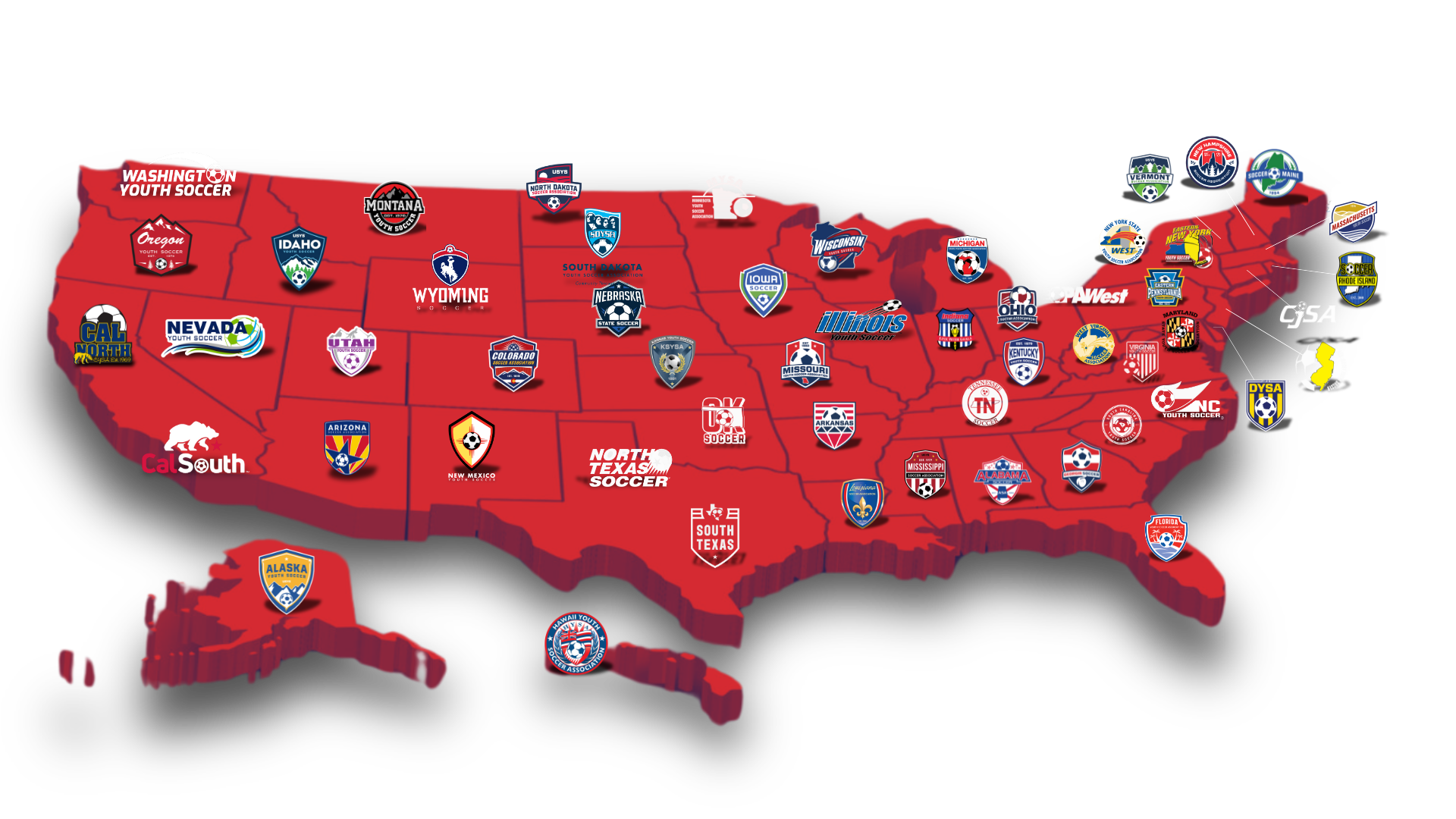
Browse Soccer Clubs by League

Latest Youth Soccer News and Articles

The Glossary of Soccer Slang: Talk Like a True Fan
August 2, 2026
Play Club Soccer Staff
Soccer vocabulary includes terms that describe individual skill and psychological dominance. The nutmeg, often called a meg or panna, occurs when a player passes or dribbles the ball directly between
Selecting where to hold the end-of-season gathering dictates how smoothly the event runs. Local park pavilions remain the top choice for soccer teams. Parks offer open space for spontaneous games, ple
The soccer world regularly watches teenage phenoms step straight from academy pitches into senior professional matches. Lamine Yamal debuted for FC Barcelona at 15 before shattering records at Euro 20

Frequently Asked Questions

What is Club Soccer?

Club Soccer, also commonly known as travel soccer, represents a higher level of competitive youth soccer compared to recreational leagues. In the club system, players typically attend tryouts to be selected for a team within a privately-owned soccer club. These clubs are focused on long-term player development and compete against other clubs in various leagues and tournaments. The environment is more structured, with professionally licensed coaches, more frequent practices, and a greater time and financial commitment. The goal is to develop players' technical skills, tactical understanding, and overall passion for the game at a more intensive level.

If you're interested in exploring this path for your child, a great first step is to see what options are available in your area. You can start by looking at our directory of youth soccer clubs. For a deeper dive into what this journey entails, check out our article on Understanding Youth Soccer Player Development.

What is the difference between travel, club, and rec soccer?

Club Soccer and Travel Soccer are generally synonymous terms for competitive soccer programs. They are a significant step up from recreational soccer in terms of commitment, competition, and cost.

Here’s a breakdown of the key differences:

  • Competition Level: Club/Travel soccer is highly competitive, with teams formed through tryouts. Recreational (Rec) soccer is open to everyone regardless of skill level, focusing on fun and participation.
  • Coaching: Club teams are typically coached by licensed, professional coaches who are paid for their services. Rec teams are often coached by parent volunteers.
  • Commitment: Club players commit to a full soccer year (fall and spring seasons) and are expected to attend multiple practices per week (often 2-3 sessions of 90-120 minutes) and games on weekends. Rec soccer usually involves a shorter season, with maybe one practice and one game per week.
  • Travel: As the name implies, travel/club soccer involves traveling to play games against teams from other towns, cities, or even states, especially for tournaments and showcase events. Rec soccer games are almost always local.
  • Cost: The financial commitment for club soccer is significantly higher, covering professional coaching, league fees, tournament entries, and uniforms. You can learn more in our detailed guide on the Cost of Youth Soccer.
  • Player Development: The primary focus of club soccer is on developing individual skills and tactical knowledge to prepare players for higher levels of competition. Rec soccer focuses more on learning the basic rules, sportsmanship, and having fun.

For families looking for a fun, introductory experience, a recreational program like MLS Go can be a perfect start.

What are the different youth soccer leagues in the US?

The U.S. youth soccer landscape is comprised of numerous leagues, each offering different levels of competition, exposure to college scouts, and geographical reach. Understanding this structure can be complex, but it can generally be viewed as a pyramid.

Here are some of the most prominent national and regional leagues:

  • MLS NEXT: Considered the highest level of boys' youth soccer in North America, it's run by Major League Soccer and focuses on developing players for professional and national teams. Learn more about the new two-tiered system in our Guide to the New MLS Next Divisions.
  • ECNL (Elite Clubs National League): The ECNL is a premier national league for both boys and girls, known for its high level of competition and as a major platform for college recruitment. It includes both national and regional tiers (ECNL-RL).
  • Girls Academy (GA): A top-tier, girls-only league created by and for players, focusing on holistic player development and providing a direct pathway to college and national teams.
  • US Youth Soccer National League: One of the largest and most established leagues, offering a tiered structure with both team-based and club-based competition that provides a pathway to the annual USYS National Championships.
  • National Premier Leagues (NPL): A national competition platform by US Club Soccer that consists of various regional member leagues, culminating in a national championship event.

For a comprehensive overview of how these leagues compare, explore our Youth Soccer Leagues guide and our detailed analysis in the Boys Youth Soccer Pyramid Explained.

How do I choose the right club for my child?

Choosing the right soccer club is a crucial decision that can shape your child's athletic and personal development. It's about finding the best fit for their skills, goals, and personality, as well as what works for your family.

Here are key factors to consider:

  • Club Philosophy and Culture: Does the club prioritize winning at all costs, or is there a strong emphasis on player development, sportsmanship, and fun? Try to observe a practice or game to get a feel for the environment.
  • Coaching Quality: Look for experienced, licensed coaches who are good teachers and positive role models. A good coach knows how to motivate and develop young athletes while fostering a love for the game.
  • Player Development Pathway: Does the club have a clear plan for developing players from younger ages to older, more competitive levels? What opportunities do they provide for growth?
  • Level of Competition: Ensure the club competes at a level that will challenge your child without being overwhelming. This is where understanding the different youth soccer leagues is important.
  • Logistics and Cost: Consider the practice schedules, travel requirements, and overall financial commitment. Be sure to understand what is included in the club fees and what will be extra.

To begin your research, you can browse our directory of youth soccer clubs. For more tips on the evaluation process, read our guide on Understanding Youth Soccer Player Development.

What is the pathway to college soccer?

Navigating the college soccer recruiting process requires a proactive and organized approach from both the player and their family. The journey typically begins in the early high school years.

Here are the essential steps on the pathway to playing college soccer:

  1. Play at a High Level: Competing in nationally recognized leagues like ECNL, Girls Academy, or MLS NEXT is crucial for exposure, as college coaches heavily recruit from these platforms.
  2. Maintain Strong Academics: Good grades and standardized test scores are non-negotiable. Student-athletes must meet NCAA eligibility requirements to be considered.
  3. Create a Player Profile & Highlight Video: Compile a soccer resume that includes your academic achievements, athletic accomplishments, and contact information. A well-edited highlight video (3-5 minutes) is essential to showcase your skills to coaches.
  4. Attend ID Camps and Showcases: These events are specifically designed for prospective student-athletes to demonstrate their abilities in front of numerous college coaches.
  5. Proactive Communication: Don't wait to be discovered. Research schools that are a good fit both athletically and academically. Send introductory emails to coaches, including your player profile and highlight video, and follow up persistently.
  6. Guidance from Your Club: Your club coaches and directors can be valuable resources in connecting with college programs and offering advice.

For a complete breakdown of the timeline and strategy, be sure to read our Youth Soccer Guide to College Soccer Recruiting.

American Youth Soccer Organization (AYSO) logoMajor League Soccer logoState Soccer Associations logoUS Club Soccer logoU.S. Soccer Federation logoUS Youth Soccer (USYS) logoUnited States Specialty Sports Association logo