
Play Club Soccer Logo

Beyond the Boundary: The World's Most Extraordinary Youth Soccer Pitches

July 30, 2026
Play Club Soccer Staff
Youth Soccer
Pitch Engineering
Global Soccer
Field Infrastructure

Beyond the Boundary: The World’s Most Extraordinary Youth Soccer Pitches

How Extreme Geography and Pitch Infrastructure Shape Youth Skill Development and Facility Engineering

Key Takeaways

  • Environmental Adaptability: Pitch geography directly influences player technical habits, from tight-space footwork on floating wooden platforms to managing ball flight in high-altitude mountain winds.
  • Infrastructure Tradeoffs: Unique field locations demand specialized surface engineering, such as shock-absorbing synthetic turf in freeze-thaw alpine zones or concrete piers reinforced against coastal saltwater corrosion.
  • Spatial Constraints and Decision-Making: Restricted pitches force young athletes to develop quick spatial awareness and touch precision rather than relying on long-range passing.

Alpine Altitude and Thin-Air Physics: Ottmar Hitzfeld Stadium

Perched high in the Swiss Alps near Gspon, Ottmar Hitzfeld Stadium sits roughly 6,560 feet above sea level. Reaching the field requires a cable car journey from the valley below, as the steep terrain prevents standard road construction. Because natural grass cannot survive the frozen soil and prolonged snow cover during alpine winters, the facility relies on artificial turf laid directly over carved mountain rock.

Playing at this elevation changes the physics of the game. Lower air density reduces atmospheric drag, allowing the ball to travel noticeably faster through the air while curving less during long passes or shots. For young players, adjusting to thin-air ball flight demands precise timing on first touches and aerial receptions. Physical demands increase as well. The reduced oxygen pressure accelerates muscle fatigue, forcing coaches to alter rotation schedules and shorten warm-up routines. The pitch is surrounded by high netting along the cliff edges, yet balls frequently clear the barriers and roll down the mountainside, making ball retention a practical necessity during training sessions.

Coastal Constraints and Tight-Space Mechanics: Koh Panyee and Henningsvær

On the island of Koh Panyee in southern Thailand, the original youth field was constructed on floating wooden planks anchored by local children who had no flat land available in their stilt village. The pitch featured smooth, slippery surfaces, exposed nail heads, and no perimeter walls. A ball kicked out of bounds landed directly in Phang Nga Bay, requiring players to jump into the water to retrieve it.

These harsh physical boundaries dictated how local youth developed their skills. To keep the ball in play, players abandoned long kicks in favor of close control, quick short passes, and rapid footwork. The slippery wooden surface penalized poor balance, teaching young athletes to maintain a low center of gravity and keep the ball glued to their feet. Today, the village features an updated floating turf pitch, but the developmental legacy remains: spatial constraints force players to process options before receiving the ball.

A similar coastal dynamic exists in Norway at Henningsvær Idrettslag Stadion, located on a small rocky islet in the Lofoten archipelago. Carved into granite bedrock surrounded by open ocean and drying racks for cod, the field uses synthetic turf to withstand Arctic rain, salt spray, and freezing winds. Fences keep most balls out of the sea, but strong coastal gusts constantly alter cross-field passes. Youth players training in Henningsvær learn to keep passes low to the ground to negate wind interference, building sharp ground-passing habits out of environmental necessity.

Urban Waterfront Engineering: Brooklyn Bridge Park Pier 5

In dense urban centers, securing flat acreage for youth sports requires creative civil engineering. Brooklyn Bridge Park Pier 5 in New York City sits directly over the East River on top of a restored industrial shipping pier. The facility features synthetic turf fields framed by the Lower Manhattan skyline.

Constructing a multi-pitch youth complex over water introduces unique structural challenges. The underlying concrete deck must support shock-absorbing infill layers while managing heavy stormwater runoff. Engineers installed subsurface drainage channels that route rain directly off the pier without allowing rubber infill granules to pollute the river. For youth leagues, Pier 5 provides high-density access in an area short on green space. However, proximity to the open river creates distinct playing conditions. Swirling harbor winds alter high-lofted balls, encouraging players to play short combinations along the deck rather than launching aerial clears.

Island Infrastructure and Complex Scalability: Waipio Peninsula

Occupying 287 acres along Oahu’s Pearl Harbor, the Waipio Peninsula Soccer Complex in Hawaii represents a large-scale regional youth hub. Framed by the Pacific Ocean and the Koʻolau Mountains, the complex includes 23 grass fields and a 4,500-seat main stadium.

Managing a facility of this scale in a tropical ocean climate requires continuous turf maintenance. The complex uses Bermuda grass varieties selected for salt tolerance and rapid recovery after heavy tournament usage. High humidity and sudden tropical downpours demand deep sand-cap drainage systems to prevent standing water during multi-team events. For young players competing in regional showcases at Waipio, heat management and wind tracking become primary factors. Strong trade winds coming off the mountains alter diagonal switches, while high heat index levels require structured hydration breaks and tactical pace management during full-length matches.

How Field Environment Dictates Player Growth

Whether built on alpine cliffs, floating wooden platforms, urban piers, or tropical coastal flats, extraordinary pitches prove that field design directly impacts youth soccer development. High-altitude fields test physical endurance and ball-flight judgment. Restricted coastal pitches sharpen footwork and short-passing accuracy. Urban waterfront fields teach tactical control against unpredictable winds.

Designing and maintaining these fields requires balancing geographical realities with surface durability. For coaches and organizers, understanding how local conditions alter ball behavior enables better session planning. Pitch topography is not merely a backdrop for the game; it acts as an active coaching variable that shapes how young players think, react, and execute on the field.


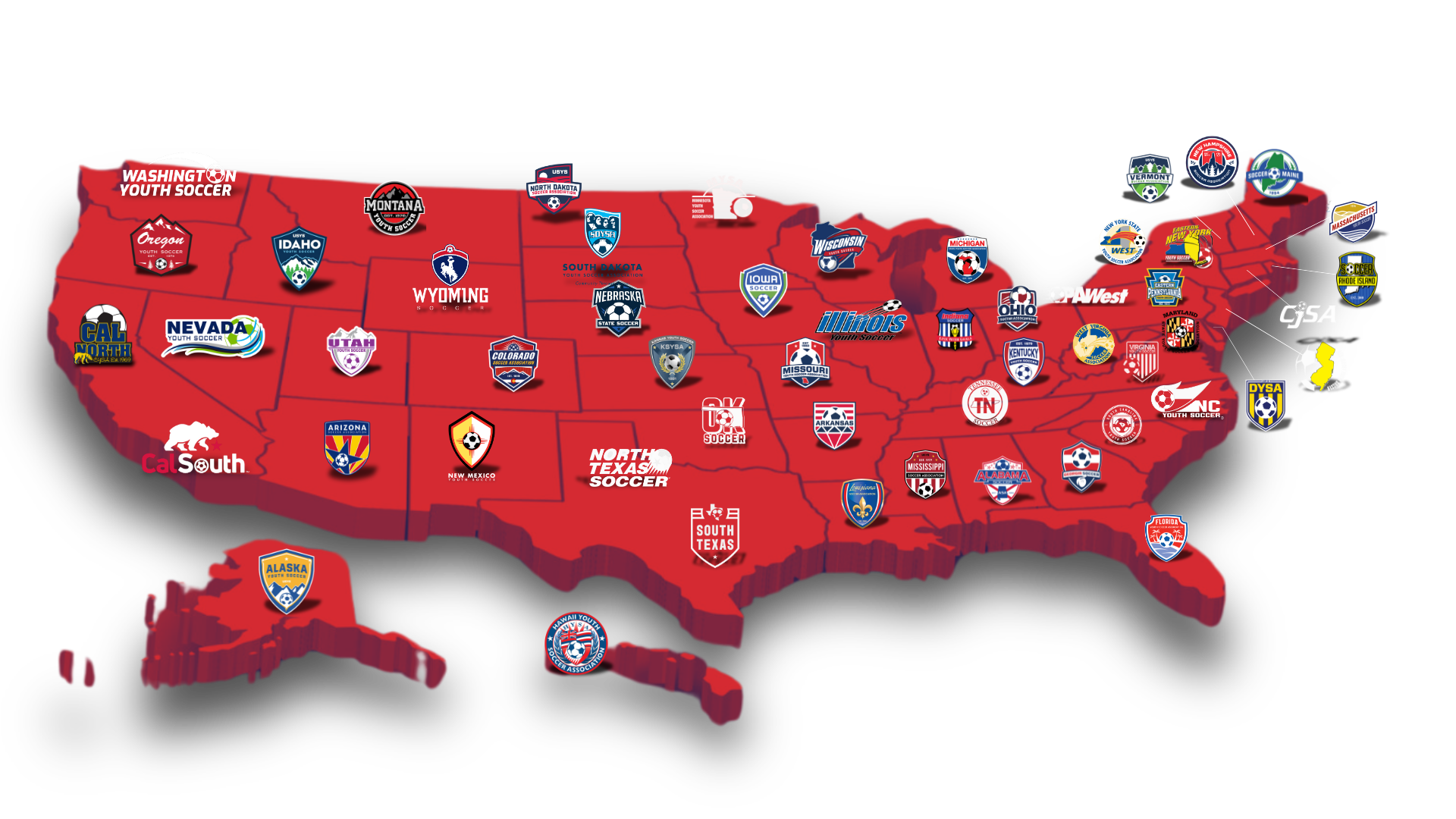
Browse Soccer Clubs by League

Latest Youth Soccer News and Articles

The soccer world regularly watches teenage phenoms step straight from academy pitches into senior professional matches. Lamine Yamal debuted for FC Barcelona at 15 before shattering records at Euro 20
Perched high in the Swiss Alps near Gspon, Ottmar Hitzfeld Stadium sits roughly 6,560 feet above sea level. Reaching the field requires a cable car journey from the valley below, as the steep terrain
DIY Soccer Goals: How to Build Your Own Backyard Setup
July 29, 2026
Play Club Soccer Staff
Building a custom goal gives players a dedicated target for wall work, finishing drills, and small-sided scrimmages without spending several hundred dollars on commercial aluminum systems. Standard re

Frequently Asked Questions

What is Club Soccer?

Club Soccer, also commonly known as travel soccer, represents a higher level of competitive youth soccer compared to recreational leagues. In the club system, players typically attend tryouts to be selected for a team within a privately-owned soccer club. These clubs are focused on long-term player development and compete against other clubs in various leagues and tournaments. The environment is more structured, with professionally licensed coaches, more frequent practices, and a greater time and financial commitment. The goal is to develop players' technical skills, tactical understanding, and overall passion for the game at a more intensive level.

If you're interested in exploring this path for your child, a great first step is to see what options are available in your area. You can start by looking at our directory of youth soccer clubs. For a deeper dive into what this journey entails, check out our article on Understanding Youth Soccer Player Development.

What is the difference between travel, club, and rec soccer?

Club Soccer and Travel Soccer are generally synonymous terms for competitive soccer programs. They are a significant step up from recreational soccer in terms of commitment, competition, and cost.

Here’s a breakdown of the key differences:

  • Competition Level: Club/Travel soccer is highly competitive, with teams formed through tryouts. Recreational (Rec) soccer is open to everyone regardless of skill level, focusing on fun and participation.
  • Coaching: Club teams are typically coached by licensed, professional coaches who are paid for their services. Rec teams are often coached by parent volunteers.
  • Commitment: Club players commit to a full soccer year (fall and spring seasons) and are expected to attend multiple practices per week (often 2-3 sessions of 90-120 minutes) and games on weekends. Rec soccer usually involves a shorter season, with maybe one practice and one game per week.
  • Travel: As the name implies, travel/club soccer involves traveling to play games against teams from other towns, cities, or even states, especially for tournaments and showcase events. Rec soccer games are almost always local.
  • Cost: The financial commitment for club soccer is significantly higher, covering professional coaching, league fees, tournament entries, and uniforms. You can learn more in our detailed guide on the Cost of Youth Soccer.
  • Player Development: The primary focus of club soccer is on developing individual skills and tactical knowledge to prepare players for higher levels of competition. Rec soccer focuses more on learning the basic rules, sportsmanship, and having fun.

For families looking for a fun, introductory experience, a recreational program like MLS Go can be a perfect start.

What are the different youth soccer leagues in the US?

The U.S. youth soccer landscape is comprised of numerous leagues, each offering different levels of competition, exposure to college scouts, and geographical reach. Understanding this structure can be complex, but it can generally be viewed as a pyramid.

Here are some of the most prominent national and regional leagues:

  • MLS NEXT: Considered the highest level of boys' youth soccer in North America, it's run by Major League Soccer and focuses on developing players for professional and national teams. Learn more about the new two-tiered system in our Guide to the New MLS Next Divisions.
  • ECNL (Elite Clubs National League): The ECNL is a premier national league for both boys and girls, known for its high level of competition and as a major platform for college recruitment. It includes both national and regional tiers (ECNL-RL).
  • Girls Academy (GA): A top-tier, girls-only league created by and for players, focusing on holistic player development and providing a direct pathway to college and national teams.
  • US Youth Soccer National League: One of the largest and most established leagues, offering a tiered structure with both team-based and club-based competition that provides a pathway to the annual USYS National Championships.
  • National Premier Leagues (NPL): A national competition platform by US Club Soccer that consists of various regional member leagues, culminating in a national championship event.

For a comprehensive overview of how these leagues compare, explore our Youth Soccer Leagues guide and our detailed analysis in the Boys Youth Soccer Pyramid Explained.

How do I choose the right club for my child?

Choosing the right soccer club is a crucial decision that can shape your child's athletic and personal development. It's about finding the best fit for their skills, goals, and personality, as well as what works for your family.

Here are key factors to consider:

  • Club Philosophy and Culture: Does the club prioritize winning at all costs, or is there a strong emphasis on player development, sportsmanship, and fun? Try to observe a practice or game to get a feel for the environment.
  • Coaching Quality: Look for experienced, licensed coaches who are good teachers and positive role models. A good coach knows how to motivate and develop young athletes while fostering a love for the game.
  • Player Development Pathway: Does the club have a clear plan for developing players from younger ages to older, more competitive levels? What opportunities do they provide for growth?
  • Level of Competition: Ensure the club competes at a level that will challenge your child without being overwhelming. This is where understanding the different youth soccer leagues is important.
  • Logistics and Cost: Consider the practice schedules, travel requirements, and overall financial commitment. Be sure to understand what is included in the club fees and what will be extra.

To begin your research, you can browse our directory of youth soccer clubs. For more tips on the evaluation process, read our guide on Understanding Youth Soccer Player Development.

What is the pathway to college soccer?

Navigating the college soccer recruiting process requires a proactive and organized approach from both the player and their family. The journey typically begins in the early high school years.

Here are the essential steps on the pathway to playing college soccer:

  1. Play at a High Level: Competing in nationally recognized leagues like ECNL, Girls Academy, or MLS NEXT is crucial for exposure, as college coaches heavily recruit from these platforms.
  2. Maintain Strong Academics: Good grades and standardized test scores are non-negotiable. Student-athletes must meet NCAA eligibility requirements to be considered.
  3. Create a Player Profile & Highlight Video: Compile a soccer resume that includes your academic achievements, athletic accomplishments, and contact information. A well-edited highlight video (3-5 minutes) is essential to showcase your skills to coaches.
  4. Attend ID Camps and Showcases: These events are specifically designed for prospective student-athletes to demonstrate their abilities in front of numerous college coaches.
  5. Proactive Communication: Don't wait to be discovered. Research schools that are a good fit both athletically and academically. Send introductory emails to coaches, including your player profile and highlight video, and follow up persistently.
  6. Guidance from Your Club: Your club coaches and directors can be valuable resources in connecting with college programs and offering advice.

For a complete breakdown of the timeline and strategy, be sure to read our Youth Soccer Guide to College Soccer Recruiting.

American Youth Soccer Organization (AYSO) logoMajor League Soccer logoState Soccer Associations logoUS Club Soccer logoU.S. Soccer Federation logoUS Youth Soccer (USYS) logoUnited States Specialty Sports Association logo