
Navigating Guest Playing in Youth Soccer Tournaments: Rules, Etiquette, and Developmental Tradeoffs
Navigating Guest Playing in Youth Soccer Tournaments: Rules, Etiquette, and Developmental Tradeoffs
Managing sanctioning rules, coach permissions, sideline diplomacy, and competitive exposure without damaging club relationships
Key Takeaways
- Sanctioning Rules Dictate Eligibility: Tournaments maintain strict governing boundaries. A player registered under US Youth Soccer cannot step onto a US Club Soccer roster without proper cross-registration or dual carding. Crossing state borders often requires signed interstate travel permissions.
- Permission Precedes Commitment: Guest playing without the prior written consent of the primary head coach and Director of Coaching violates club player agreements and triggers poaching accusations. Contact must move through official coaching channels before families agree to participate.
- Sideline Diplomacy Protects the Player: Host families invest thousands of dollars into team fees and travel. Guest athletes who fill roster voids due to injury or illness receive a warm welcome; guest athletes brought in to bench regular starters face resentment from parents and teammates.
The Administrative Framework: Governing Bodies, Passes, and Paperwork
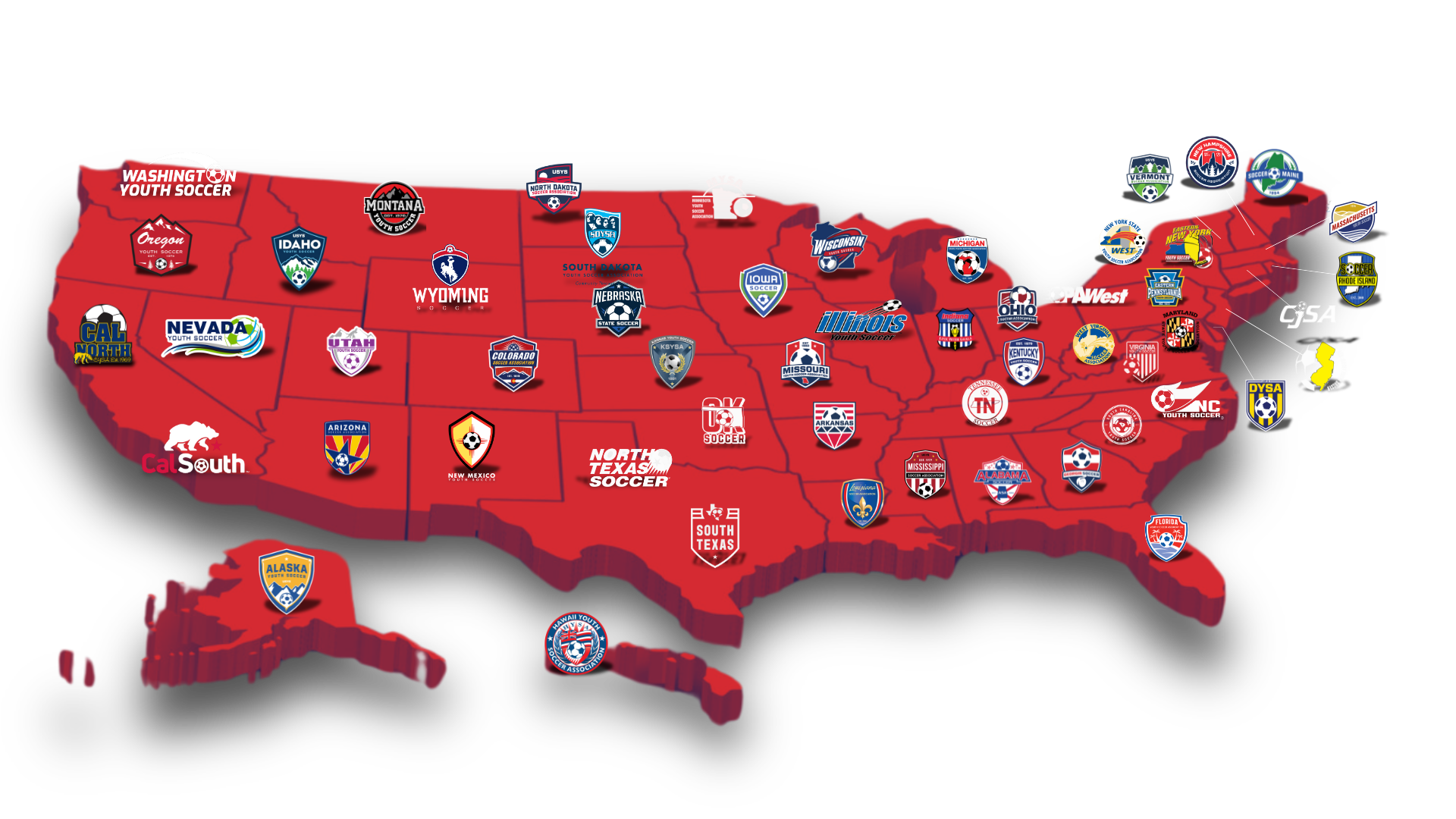
Every youth soccer tournament operates under the sanctioning authority of a specific governing body, most commonly US Youth Soccer (USYS) or US Club Soccer. These organizations maintain separate insurance policies, registration databases, and player pass systems. Because their liability coverage does not cross organizational boundaries, tournaments enforce a strict policy: mixed rosters are not permitted.
If a team enters an event sanctioned by US Club Soccer, every athlete on the game card must possess a valid US Club Soccer passcard. A player registered exclusively through a USYS state association cannot hand their card to the tournament director on Friday evening and expect to play. Unless the player holds dual cards through both organizations, they are ineligible to step onto the pitch.
Beyond governing body affiliation, coaches and team managers must distinguish between a club pass player and a tournament guest player. A club pass player belongs to the same club organization. Moving a player from a second team to a first team for the weekend, or pulling up a younger player to an older age group within the club, involves minimal administration. The club registrar assigns the athlete through internal platforms like GotSport, keeping the paperwork within the organization.
True guest playing involves loaning an athlete from an outside club. This process requires three formal documents:
- An official player loan form or guest player form signed by the lending club's coach or registrar.
- An approved interstate permission to travel form if the tournament takes place in a different state association under USYS rules.
- A signed medical release form and the player's physical or digital member passcard.
Most tournaments cap guest players at three to five per roster, and teams cannot exceed the maximum roster limit for that age group. Checking tournament rules weeks before kickoff prevents registration forfeits at the check-in tent.
Club Politics: Securing Approval and Protecting Standing
Paperwork is the straightforward part of guest playing. Managing the relationship with your primary club requires far more care.
Youth soccer contracts bind players to their primary clubs for the competitive year. Club handbooks routinely include clauses requiring players to obtain explicit written permission from their head coach and Director of Coaching (DOC) before training or competing with another organization.
Bypassing this step carries immediate consequences. When a club director spots a rostered player wearing another team's jersey at a regional showcase, alarms sound. State associations maintain strict anti-poaching and recruiting rules. Outside coaches who contact families directly without notifying the home club can face disciplinary action. Meanwhile, the player risks losing their starting role, their standing within the club, or their roster spot for the following season.
The correct protocol starts with direct, upfront communication. When an outside coach approaches a family, the family should politely redirect the coach to their home coach or DOC. Alternatively, parents should contact their current coach with specific details: the host club, the dates, the tournament location, and the reason for the invitation.
Framing matters. Approach the home coach by asking for advice rather than demanding a release: "Coach, Team X reached out because they are short on defenders for the upcoming showcase. Our team has that weekend off. Would this be a good developmental opportunity for Sarah, or would you prefer she rest?"
Coaches assess player load and fatigue. If a player carries a nagging hamstring strain or just completed three straight tournament weekends, a coach will often deny permission to prevent injury. Primary league matches and team commitments always take precedence over an outside guest invitation. Respecting the coach's decision keeps the long-term relationship healthy.
Locker Room Dynamics: The Unwritten Etiquette for Guest Families
A guest player walks into an established team culture. Host families have spent months carpooling together, running team fundraisers, and paying thousands of dollars in team fees, coach travel expenses, and tournament entry fees.
Understanding this dynamic explains why guest players sometimes receive a cool reception. The friction rarely stems from the child; it stems from how the host coach manages the roster.
When a team loses two starters to injuries and faces a tournament with zero substitutes, parents and players welcome a guest player with open arms. The guest provides necessary depth, prevents exhaustion, and keeps the team competitive.
Problems arise when a coach brings in an outside player as a ringer to win a trophy. If an outside guest steps in and immediately takes starting minutes from a regular rostered player whose parents paid the full tournament assessment, tension follows. Sideline parents grumble, players freeze out the guest on the pitch, and the locker room dynamic fractures.
Guest players and their parents can defuse this tension through disciplined etiquette:
- Zero Playing Time Demands: Accept that the host coach manages minutes. A guest player should feel grateful for every minute on the pitch and should never complain about sitting on the bench.
- Work Rate Over Stardom: Focus on high-effort actions: tracking back on defense, winning 50-50 balls, and connecting simple passes. Playing unselfish soccer shows teammates that the guest arrived to support the group rather than chase personal glory.
- Arrive Early and Listen Carefully: Report to the warm-up area ten minutes ahead of schedule with clean gear and the correct jersey color. Listen intently during tactical talks and adapt to the host coach's formation without questioning their instructions.
- Show Immediate Gratitude: After the final whistle, the guest player should personally thank the host coach, the guest teammates, and the team manager for the opportunity.
The Developmental Case: When Guest Playing Pays Off
When managed properly, guest playing offers distinct benefits that a player cannot find in their regular training routine.
The clearest application appears in high school showcase tournaments. If a player's primary team does not qualify for elite national events, or plays in lower-tier brackets where college scouts rarely gather, guest playing for a team in a top showcase division provides direct recruiting visibility. College coaches track specific games; being on the pitch against high-level competition puts an athlete in front of programs they could not reach through their home schedule.
Guest playing also tests an athlete's adaptability. When players spend years with the same team, they develop fixed habits. They know how their center back passes and how their striker runs. Stepping onto an unfamiliar squad strips away those comforts. The player must scan more frequently, communicate with unfamiliar voices, and solve tactical problems on the fly.
Finally, guest playing gives families an inside look at different coaching styles and club cultures. Experiencing another sideline atmosphere helps parents evaluate whether their current club environment remains the right developmental home for their child, all without the pressure of a permanent transfer.
Conclusion
Tournament guest playing works well as an occasional supplement when treated with respect. It expands a player's tactical vision, tests their competitive grit, and exposes them to different coaching styles.
Success depends on honoring the rules and respecting relationships. Clear the paperwork through proper sanctioning channels, secure written approval from the home club, and approach the host team with humility and a high work rate. When families prioritize development over weekend trophies, guest playing becomes a valuable asset in a young player's soccer education.